Reminiscence Therapy and Its Benefits for Aging Memory
What is reminiscence therapy? Discover how guided storytelling supports aging memory, cognitive health, and mental well-being.
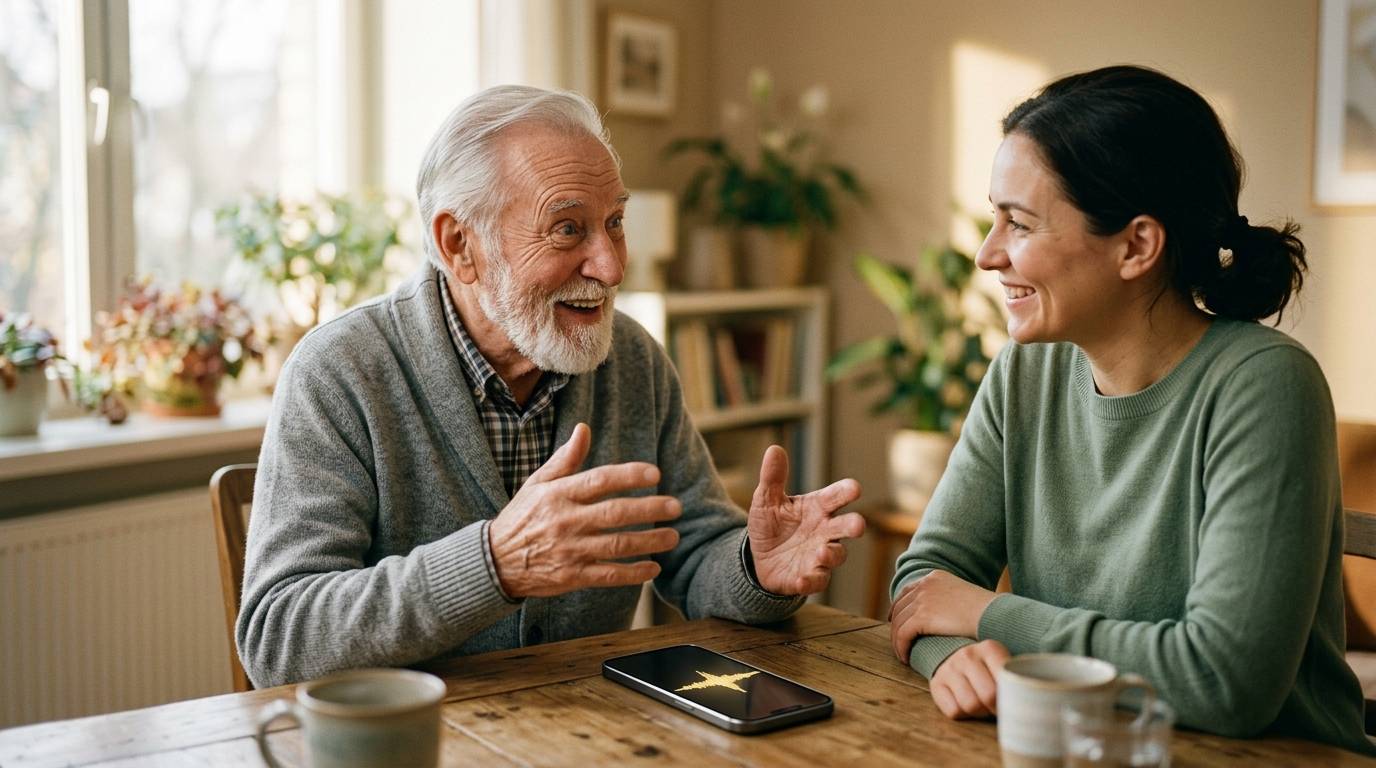
As we age, concerns about cognitive health grow not only for seniors themselves but also for their adult children. When looking for ways to keep the brain active and the mind sharp, one of the most effective, non-pharmacological methods is reminiscence therapy.
Reminiscence therapy is not just about nostalgia or longing for the past. It is a clinically researched and recognized method widely used for supporting aging memory and improving the quality of life.
What Does Reminiscence Therapy Do to the Brain?
The core of reminiscence therapy is the guided recall of past events, feelings, and experiences. When an older person recalls significant moments in their life—such as the smells of childhood, the challenges of their first job, or experiences during wartime—the neural networks in the brain are activated in diverse ways.
This activation is particularly important because it strengthens neural connections and maintains cognitive flexibility. Studies have shown that regular reminiscing can slow down cognitive decline and reduce depressive symptoms.
Read more about the psychological effects: The Psychological Perspective: Why Reviewing Your Life Brings Peace of Mind
How to handle heavier topics? See: Questions for Grandparents About Wartime and Childhood in Exceptional Circumstances
Sanota is a Safe Tool for Guided Reminiscing
For reminiscence therapy to be effective, it often needs to be guided. A blank piece of paper or a vague request to "tell me about your youth" can cause anxiety or cognitive overload.
The Sanota app acts as a gentle guide in this process. It provides a ready-made set of questions designed by experts, acting as triggers for memories.
The most important factor, however, is the use of voice. For a person experiencing cognitive challenges, writing is often too demanding a process, requiring concentration on motor skills and spelling. Speaking is natural and effortless. With Sanota, a senior can answer questions by speaking in a familiar environment, while the AI takes care of formatting the text.
Read our expert article on the topic: You Capture More by Speaking: How Narration Unlocks Memories That Writing Misses
Combating Loneliness and Strengthening Identity
As memory declines, it is easy for a person to lose connection with their self-image. "Who am I if I can't remember yesterday?" Guided reminiscing puts the anchors of an individual's identity back in place. It reminds them that they were once young, brave, in love, and have survived life's challenges.
At the same time, it provides a valuable channel for connection. When an older person shares their memories with the rest of the family through Sanota, they feel heard.
Deepen your knowledge on these themes:
How to Support the Identity of Someone with Early-Stage Dementia Through Stories?
Combating Loneliness in Old Age: The Power of Storytelling
Telling stories is medicine for the mind. Give your loved one the opportunity for cognitive activation and a sense of meaning.
Start reminiscence therapy with Sanota – try it for free here.